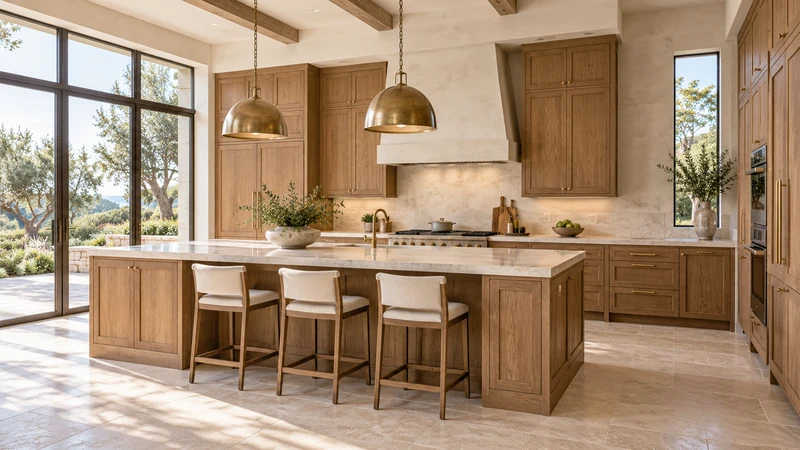
Planning a dish drawer children can use with an adult
Start with an agreed task and a small selected dish set. Place it outside active cooking movements and make both taking and putting away understandable.
A child-accessible dish area should begin with a specific household task, such as taking an approved cup to the dining table with an adult. It does not mean opening all lower cabinets or allowing unrestricted kitchen access. The parent or caregiver chooses the items, timing and supervision appropriate to the child. The cabinet plan then supports that limited task with a reachable location and an understandable return routine.
Choose the task before the cabinet
Set out the small dish group intended for the task. Consider the actual size, weight, condition and grip of the pieces, not simply whether they are marketed for children. Avoid a mixed drawer where appropriate dishes are surrounded by sharp tools, heavy cookware or items the child is not meant to handle. A clearly selected group is easier for both the child and other adults to recognize.
The American Academy of Pediatrics advises keeping sharp items separate from safer utensils and storing dangerous cleaning products locked and out of sight. An accessible dish area must remain separate from those hazards; rearranging dish storage does not replace the home’s existing child-safety measures.
Agree on the expected action in plain language: which items may be taken, where they go and when an adult should help. If the task still requires an adult to lift a stack or select the item, that is useful information for the layout. You can make the adult’s handoff easier without pretending the child can manage every step independently.
Keep access out of active cooking movement
Choose the location by the route to the dining or snack area, not merely by finding a low drawer. Consider where adults stand to cook, open an oven, unload dishes or carry hot food. A drawer that is easy to reach can still put the child in the middle of those activities. Do the trial while the kitchen is cool and inactive, with adult supervision.
Design study A layout can provide different access routes. The drawing does not establish a child-safe location or replace supervision and a review of the actual room.
For example, a dining-side cabinet may offer a route that avoids crossing the primary preparation area, while a drawer beside the range may not. This is a location to assess, not a universal rule that an island end is safe. Check the actual doors, stools, walking path and nearby activities. If the route cannot be kept appropriate during cooking, use an adult handoff elsewhere.
Test the whole action together
With an adult present, try opening, selecting, carrying and returning only the agreed items. Observe whether the child must climb, stand on a drawer, reach over a high front or pull a stack toward the edge. Do not use cabinetry as a step. Change the arrangement or keep the adult involved where the movement is not manageable.
Check the open door or drawer’s effect on the route as well. The child may reach the dish but then need to squeeze past the extended drawer while carrying it. A smaller accessible group at another position can work better than dedicating a large low cabinet solely because it holds more. Keep closure and finger clearance part of the adult-supervised trial.
Make the boundary visible during ordinary cleanup
Give the selected cups and dishes recognizable positions. Returning clean items should not gradually introduce adult utensils or spare equipment into the area. Have everyone who unloads dishes follow the same arrangement, so the accessible drawer does not change meaning between meals. Reassess the plan as the child’s abilities and the household’s routines change.
For the cabinet discussion, describe the selected task, route, reachable opening and adult involvement. No standard cabinet height can determine readiness for every child. The useful outcome is a limited, supervised routine that the family can repeat, with other kitchen storage remaining appropriately restricted. A low drawer is only one possible tool for that routine, not a safety feature by itself.
Pure White
Cream White
Light Warm Gray
Gray
Navy
Black
Oak Tone
Dark Walnut Tone
Design study These finish studies are design references, not a list of currently orderable colors. Screens and lighting change the appearance; compare a physical sample before choosing.See all finish options →
A glass that stands on the shelf may not have room to come out. Check its widest point, lifting movement and the hand that has to pass through the opening.
The corner-to-corner measurement is only a first check. A spoon, whisk or spatula also needs room for its head, your hand and the movement that brings it out.
The sample shows the door frame, a separate center panel, the face frame and the cabinet box. Each component has its own place in this Shaker construction.
Shaker construction: door frame, center panel, face frame and cabinet box. The cutaway helps locate these parts; confirm each material in the specifications for the selected cabinet.
01 / Door frame
The Shaker door has rails and stiles around a separate center panel. The frame and center panel are different components; confirm their materials in the specifications for the selected cabinet.
02 / Face frame
The face frame surrounds the opening at the front of the cabinet box and sits behind the doors. The face frame, door frame and cabinet box are separate parts.
03 / Cabinet box
The sample exposes the cabinet sides, interior surfaces and layered edges. The image does not establish the wood species or material specification of a selected cabinet.