Read the specification by component
Begin with the door frame, center panel, face frame, cabinet sides, back, shelves and drawer box. Write the material beside each one. A statement about a solid wood door frame does not identify the center panel or the cabinet box. A wood-tone finish describes an appearance; by itself, it does not establish the species or construction underneath.
Ask for the specification for the exact series and finish being quoted. Keep it with the cabinet schedule, rather than relying on a general brochure. If a material is not stated, ask for it to be identified before comparing that quote with another.
Identify the box and the panel core separately
Plywood, particleboard and fiberboard are different kinds of wood-based products. The Forest Products Laboratory describes composite materials made from elements such as veneers, particles and fibers; arranging and processing those elements changes their properties. The word engineered is not a complete material specification.
A cutaway can help you see a layered edge or a different panel core, but a photograph cannot confirm every hidden part. Ask for the cabinet-side thickness, back construction, shelf details and center-panel material in writing. Compare the finished edges as well as the exposed ones, especially where an end panel will be visible in the completed room.
Sources: USDA Forest Products Laboratory — Wood Handbook, Chapter 11: Wood-based composite materials (2021)
Look at the whole drawer
Pull out the drawer and inspect the front, sides, back and bottom as separate components. A visible dovetail tells you about the connection at that corner; it does not tell you the bottom's material, the slide specification or the drawer's rated load. Those deserve their own questions.
Operate the drawer gently several times. Look at its alignment with neighboring fronts and ask how adjustments are made. If a display sample is carrying no weight, avoid using that experience to predict how a fully loaded cookware drawer will behave. The hardware model and its stated application are more useful than a broad promise about premium construction.
Keep a record you can compare
A meaningful comparison fits on one sheet: component, material, thickness where relevant, finish and hardware model. Add a photograph of the sample you inspected and the exact selection being ordered. Mark unanswered items clearly. This makes differences between quotes visible without assuming that one word settles the quality of an entire kitchen.
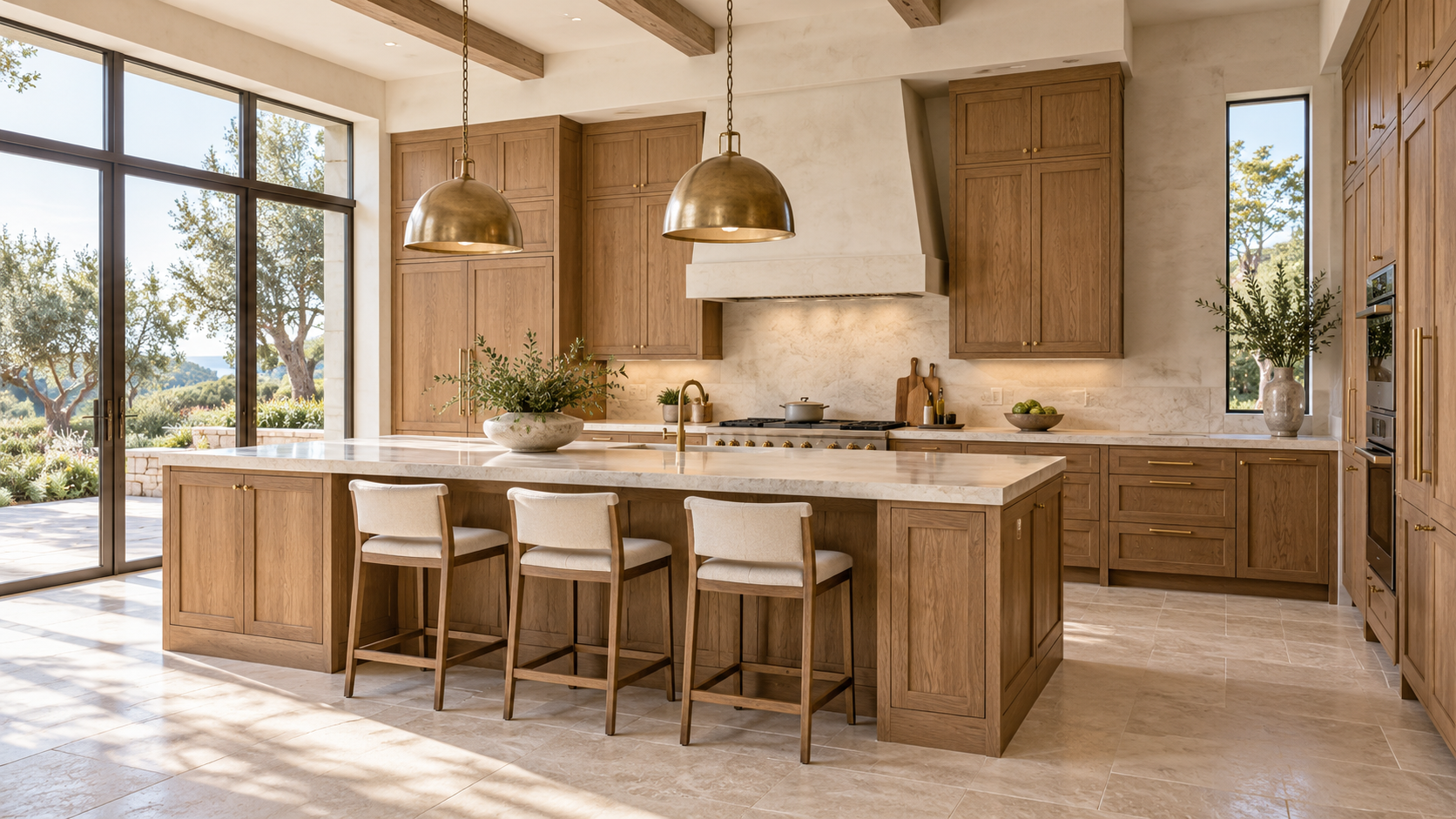
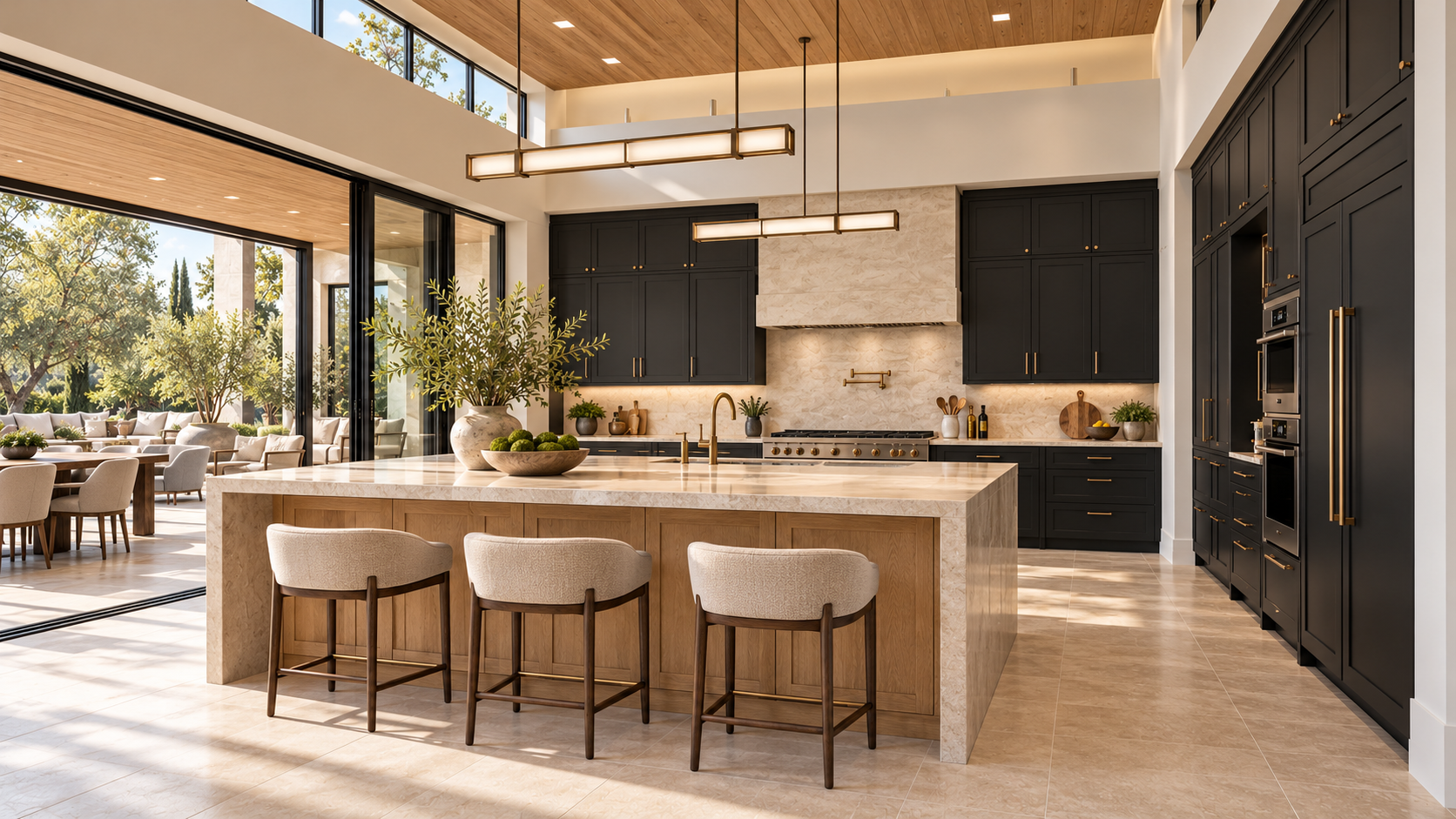
The room images in this collection are design studies. Use them to discuss the appearance and arrangement you want, then confirm the materials and cabinet configuration for your project separately. A beautiful room and a clear specification should support each other.
- Door frame and center panel identified separately.
- Box, back and shelves listed by material and thickness.
- Drawer sides and bottom, plus the slide and hinge models.
- Visible end treatments and the approved physical finish sample.